

Article Plan: Vocabulary Words with Meaning for Grade 3 PDF
This comprehensive article details essential vocabulary for third graders, offering resources like printable PDFs and thematic word groupings․
It explores how mastering these words – such as ‘foe’, ‘vast’, and ‘purchase’ – supports reading comprehension and academic success․
We’ll examine Common Core standards, high-frequency word lists, and skill-based vocabulary, alongside effective strategies for implementation․
Discover how to utilize context clues, engaging games, and readily available online resources to enhance learning․
Furthermore, the guide provides insights into creating customized vocabulary lists tailored to specific themes like science and social studies․
Ultimately, this article empowers educators and parents with the tools to foster a robust vocabulary foundation for young learners․
Building a strong vocabulary is a cornerstone of academic success, particularly for students in the third grade․ This article serves as a comprehensive guide to vocabulary words with meaning for grade 3, providing educators and parents with valuable resources and strategies․ We’ll explore the importance of expanding a child’s lexicon, moving beyond basic reading skills to foster deeper comprehension and critical thinking․
Understanding the nuances of language empowers young learners to express themselves effectively and confidently․ This guide will delve into readily available resources, including printable PDFs and online tools, designed to make vocabulary acquisition engaging and accessible․ We’ll also examine how vocabulary development aligns with Common Core standards, ensuring students are well-prepared for future academic challenges․

From foundational words like ‘foe’ and ‘drowsy’ to more complex terms, we’ll provide a curated list with clear definitions, helping children unlock the power of language․ This resource aims to transform vocabulary learning from a chore into an exciting adventure!
What is a Grade 3 Vocabulary List?
A Grade 3 vocabulary list is a curated collection of words specifically chosen to enhance the reading comprehension and expressive abilities of eight and nine-year-old students․ These lists typically include around 800 new reading words, designed to be mastered by the end of the school year, as evidenced by analyses of basal readers and commonly taught texts․
These aren’t simply random words; they represent terms frequently encountered in third-grade literature and across various subject areas․ Examples include words like ‘purchase’, ‘annual’, and ‘feeble’, which expand beyond everyday conversation․ A well-constructed list aims to bridge the gap between a child’s existing vocabulary and the more complex language they’ll encounter in academic settings․
Effective lists often categorize words by theme (science, social studies) or skill (phonics-based), facilitating targeted learning․ The goal is to equip students with the tools to decode unfamiliar words and confidently engage with challenging texts․

Why are Vocabulary Words Important for 3rd Graders?
A strong vocabulary is foundational for success in third grade and beyond․ It directly impacts reading comprehension, allowing students to unlock the meaning of texts and engage with complex ideas․ Students with robust vocabularies demonstrate improved reading speed and accuracy, fostering a love for learning․
Beyond reading, vocabulary development enhances writing skills, enabling children to express themselves clearly and effectively․ Knowing a wider range of words boosts confidence in communication, both written and oral; Mastering these words – like ‘drowsy’ or ‘prank’ – also supports performance across all subject areas, not just language arts․
Essentially, vocabulary isn’t just about knowing definitions; it’s about building cognitive skills and unlocking a deeper understanding of the world․ A rich vocabulary empowers third graders to become critical thinkers and lifelong learners․
Common Core Standards and 3rd Grade Vocabulary
The Common Core State Standards emphasize vocabulary acquisition as a critical component of third-grade literacy․ These standards require students to not only learn new words but also to understand how words work within context․ Specifically, students should be able to determine the meaning of words and phrases as they are used in a text, including figurative language․
Third graders are expected to demonstrate understanding of prefixes and suffixes, as well as root words, to decipher unfamiliar vocabulary․ The standards also focus on academic vocabulary, words frequently encountered in informational texts across various subjects․ This includes terms related to science, social studies, and mathematics․
Meeting these standards necessitates a deliberate and systematic approach to vocabulary instruction, utilizing diverse resources and engaging activities․

Sources for Grade 3 Vocabulary Lists
Numerous resources provide curated vocabulary lists for third grade, catering to diverse learning needs․ Traditional basal readers and textbooks often include dedicated vocabulary sections, presenting words within the context of reading passages․ These lists are typically aligned with grade-level curriculum objectives․
A wealth of online vocabulary resources are readily available, offering interactive exercises, games, and printable worksheets․ Websites dedicated to educational content frequently feature grade-specific word lists and definitions․ Furthermore, many publishers offer downloadable PDFs containing vocabulary materials․

Worksheets and printable PDFs provide convenient tools for reinforcing vocabulary learning․ These resources often include activities such as matching, fill-in-the-blanks, and sentence writing, promoting active engagement with new words․
Basal Readers and Textbooks
Traditional basal readers and third-grade textbooks serve as foundational sources for vocabulary acquisition․ These materials systematically introduce new words within the context of stories and informational texts, aiding comprehension․ Vocabulary sections are commonly integrated, often featuring definitions, example sentences, and practice exercises․
The vocabulary presented in these resources is carefully selected to align with the reading level and content of the textbook․ Teachers frequently utilize these lists as a starting point for vocabulary instruction, supplementing them with additional activities and resources․ These texts often contain 800 new reading words students need to master․
Analyzing these texts reveals difficult words commonly encountered in third grade, providing valuable insights for targeted vocabulary development․ This approach ensures a cohesive learning experience, reinforcing vocabulary concepts across multiple subjects․
Online Vocabulary Resources
Numerous online platforms offer interactive and engaging vocabulary resources for third graders․ Websites and educational apps provide digital word lists, definitions, and pronunciation guides, enhancing learning through multimedia․ These resources often feature gamified activities, such as quizzes, puzzles, and matching games, to motivate students․
Many sites offer printable vocabulary worksheets and PDFs, complementing online learning with tangible practice materials․ Online dictionaries specifically designed for children provide age-appropriate definitions and examples․ These platforms frequently categorize words by theme, like science or social studies, facilitating focused learning․
Access to these resources is often free or available through affordable subscriptions, making them accessible to a wide range of learners․ They provide a dynamic and adaptable learning environment, catering to diverse learning styles and paces․

Worksheets and Printable PDFs
Worksheets and printable PDFs represent a cornerstone of traditional vocabulary instruction for third grade․ These resources offer structured practice, reinforcing word meanings and usage through various exercises․ Common formats include matching definitions, fill-in-the-blanks, crossword puzzles, and sentence completion activities․ They allow for focused skill development and independent practice․
Many PDFs are designed around thematic word lists, such as science or social studies vocabulary, enhancing contextual learning․ Teachers and parents can easily download and print these materials for classroom or home use․ The availability of answer keys facilitates self-assessment and progress monitoring․

These printable resources often complement online learning tools, providing a tangible and offline learning experience․ They are particularly valuable for students who benefit from visual and kinesthetic learning styles․
Top 50 Grade 3 Vocabulary Words with Definitions
Building a strong vocabulary requires focused effort, and a curated list of 50 essential words provides a solid foundation for third graders․ This selection includes words frequently encountered in reading materials and everyday conversations․ Examples include ‘foe’ (enemy), ‘vast’ (huge), ‘purchase’ (buy), ‘drowsy’ (sleepy), and ‘absent’ (missing)․
Other key words encompass ‘prank’ (trick), ‘feeble’ (weak), ‘annual’ (yearly), ‘gullible’ (easily fooled), and ‘haiku’ (a Japanese poem form)․ Each word should be presented with a clear, child-friendly definition․ Contextual examples, such as sentences demonstrating usage, are crucial for comprehension․
These words are often drawn from basal readers and commonly taught texts, ensuring relevance to classroom learning․ Mastering this list significantly improves reading comprehension and writing skills․
Grouping Vocabulary Words by Theme

Thematic vocabulary grouping enhances learning by connecting words to relatable concepts․ Instead of rote memorization, students grasp meaning through context․ For example, a ‘Science Vocabulary’ theme might include ‘biology’, ‘chemistry’, ‘black hole’, and ‘astronaut’․ This approach builds understanding within a specific subject area․
Similarly, a ‘Social Studies Vocabulary’ theme could feature words like ‘ancient’, ‘ambition’, ‘arrangement’, and ‘capital’․ This method fosters deeper comprehension of historical and civic concepts․ Grouping also aids retention, as students associate words with broader themes․
Creating these themed lists allows for targeted instruction and reinforces learning across the curriculum․ It’s a practical strategy for maximizing the impact of vocabulary development․

Science Vocabulary (Grade 3)
Third-grade science introduces fascinating concepts, demanding specific vocabulary․ Key terms include ‘biology’ – the study of living things – and ‘chemistry’, exploring matter and its properties․ Students encounter ‘black hole’, a region of spacetime with strong gravity, and ‘astronaut’, a person trained for space travel․
Expanding beyond these, words like ‘brilliant’ (shining brightly) and ‘breeze’ (gentle wind) connect to observable phenomena․ Understanding ‘adaptation’ – how organisms change to survive – is crucial․ ‘Capable’ describes an organism’s ability to function, while ‘calculate’ relates to scientific measurement․
Mastering this vocabulary empowers students to engage with science content confidently, fostering curiosity and a deeper understanding of the natural world․
Social Studies Vocabulary (Grade 3)
Third-grade social studies introduces concepts of history, geography, and civics, requiring a specialized vocabulary․ Words like ‘ancient’ – relating to the distant past – and ‘ambition’ – a strong desire – are frequently encountered․ Students learn about ‘arrangement’ of societies and the ‘approach’ to understanding different cultures․
Terms such as ‘audience’ (a group of listeners) and ‘arrangement’ (how things are organized) build comprehension skills․ ‘Astonishing’ describes remarkable events, while ‘attempt’ signifies effort towards a goal․ ‘Capital’ refers to a city serving as a seat of government, and ‘grammar’ relates to language structure․
A strong grasp of this vocabulary is essential for students to analyze historical events, understand diverse communities, and participate as informed citizens․
High-Frequency Word Lists for Grade 3
High-frequency word lists are crucial for building reading fluency in third grade․ These lists contain words students encounter most often in texts, enabling quicker decoding and comprehension․ Examples include “afraid,” “almost,” “also,” and “always,” foundational for sentence construction and understanding․
Words like “everything,” “except,” “myself,” and “money” appear repeatedly across various subjects․ Mastering these terms reduces cognitive load, allowing students to focus on meaning rather than decoding․ “Lovable,” “think,” and “they’re” are also common, contributing to overall reading proficiency․
Utilizing these lists through targeted practice, such as sentence writing and reading passages, significantly enhances a student’s vocabulary and reading speed․ Consistent exposure and application are key to long-term retention․
Skill Words and Phonics-Based Vocabulary
Phonics-based vocabulary focuses on decoding skills and patterns, strengthening a student’s ability to read unfamiliar words․ Skill words often feature consonant blends with short vowels, like “splash,” “scrap,” “plenty,” and “drench․” These words provide practice with common phonetic structures․
Further examples include “slush,” “swab,” “scrub,” “strap,” “snack,” and “plug,” reinforcing blend recognition and pronunciation․ This approach builds confidence and independence in reading, as students learn to apply phonetic rules to new vocabulary․
Integrating these skill words into reading activities and games solidifies understanding․ Targeted practice with these patterns enhances decoding fluency and supports overall vocabulary development, creating a strong foundation for more complex reading․
Using Vocabulary Lists Effectively
Maximizing the impact of vocabulary lists requires strategic implementation․ Simply memorizing definitions isn’t enough; students need to encounter words in context․ Encourage reading diverse texts and actively seeking out listed vocabulary․ Utilizing context clues is paramount – teaching students to infer meaning from surrounding sentences․
Transform learning into play with engaging games and activities․ Word sorts, charades, and sentence-building exercises make vocabulary acquisition fun․ Regular review is crucial to reinforce retention, spaced repetition being particularly effective․
Connecting new words to prior knowledge deepens understanding․ Furthermore, encourage students to use the vocabulary in their own writing and conversations, solidifying their grasp and promoting fluency․
Reading and Context Clues
Developing strong reading comprehension is intrinsically linked to vocabulary acquisition․ When encountering unfamiliar words – like ‘gullible’ or ‘haiku’ – students shouldn’t immediately reach for a dictionary․ Instead, emphasize the power of context clues․ These are hints within the surrounding text that provide meaning․
Teach students to identify different types of clues: definitions, synonyms, antonyms, and examples․ Encourage them to reread sentences and paragraphs, paying attention to how the unknown word functions within the larger passage․
Practicing this skill transforms students into active readers, capable of independently deciphering meaning․ Reading, reading, and more reading is the best way to build both vocabulary and contextual understanding․
Games and Activities
Transforming vocabulary learning into a playful experience significantly boosts retention․ Move beyond rote memorization and embrace interactive games! Consider vocabulary bingo, where students match definitions to words on a card․ Charades, acting out words like ‘drowsy’ or ‘feeble’, encourages active recall․
Word sorts, grouping words by theme (science, social studies), reinforce connections․ Create a “word wall” displaying new vocabulary, encouraging frequent exposure․ Utilize mini-books incorporating target words, prompting students to find and use them in context․
These activities foster a positive learning environment, making vocabulary acquisition enjoyable and effective․ Remember, the goal is to build confidence and encourage students to actively engage with new words․
Finding and Downloading Grade 3 Vocabulary PDF Resources
Numerous online platforms offer readily available Grade 3 vocabulary PDF resources․ A simple web search using keywords like “3rd grade vocabulary list PDF” yields a wealth of options․ Many educational websites provide printable worksheets focusing on high-frequency words and thematic vocabulary․
Teachers Pay Teachers is a valuable source, offering both free and paid resources created by educators․ Look for PDFs aligned with Common Core standards to ensure curriculum relevance․ Websites specializing in reading comprehension often include vocabulary lists and exercises․
Remember to preview the PDF before downloading to ensure it aligns with your specific needs and learning objectives․ Prioritize resources that include definitions, example sentences, and engaging activities․
Creating Your Own Grade 3 Vocabulary List
Tailoring a vocabulary list to your students’ specific needs is highly effective․ Begin by analyzing the texts they are reading – basal readers, textbooks, and even independent reading choices․ Identify challenging words that frequently appear and are crucial for comprehension․
Consider thematic units; for example, a science unit on animals might necessitate vocabulary like ‘habitat’, ‘carnivore’, and ‘herbivore’․ Incorporate words from different subject areas, including social studies terms like ‘community’ and ‘government’․
Prioritize words that are versatile and can be used in various contexts․ Don’t solely focus on nouns; include verbs, adjectives, and adverbs․ Regularly review and revise the list based on student progress and emerging needs․
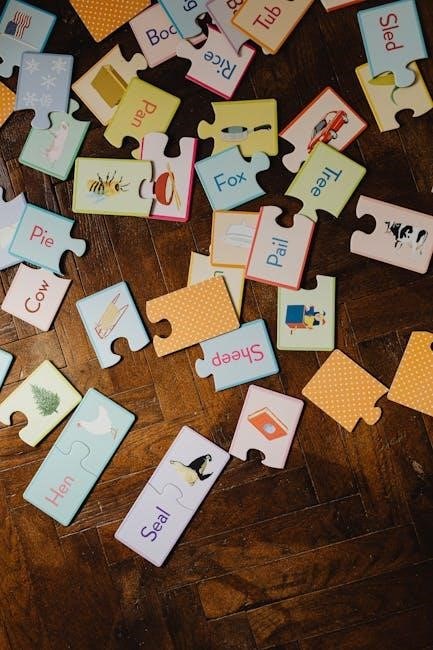
Building a strong vocabulary in third grade is paramount for future academic success, impacting reading comprehension, writing skills, and overall communication․ Utilizing readily available resources – from printable PDFs to online tools – simplifies the process for educators and parents․
Remember that consistent exposure and active engagement are key․ Encourage students to use new words in their writing and conversations, fostering a deeper understanding and retention․ Thematic groupings and playful activities make learning enjoyable and effective;
By prioritizing vocabulary development, we empower young learners to become confident and capable communicators, setting them on a path towards lifelong learning and academic achievement․ A robust vocabulary unlocks a world of knowledge and opportunity․