

Android 12 car stereos represent a significant leap in in-car entertainment and connectivity.
These systems, detailed in available user manuals, offer a modern interface and expanded functionality.
Many options exist, like the eBay XTGMC72C, and navigation software is often a separate purchase.
Understanding the system’s capabilities, as outlined in the manual, is crucial for optimal use.
Recent advancements, including Android 13 systems, build upon the foundation of Android 12, offering even more features.
What is Android 12 in a Car Stereo?
Android 12 in a car stereo signifies a complete infotainment system powered by Google’s operating system. Unlike traditional car stereos, these units function much like smartphones or tablets, offering a familiar and intuitive user experience. The user manual for systems like the eBay XTGMC72C will detail this functionality.
This means access to a vast ecosystem of applications, including navigation (often a separate purchase), music streaming, and communication tools. Android 12 brings enhanced privacy features, a redesigned user interface, and improved performance compared to earlier versions. The Android.car.storagemonitoring system is a key component.
Furthermore, Android 12 car stereos support wireless Bluetooth pairing, Wi-Fi connectivity, and USB file management. The manual will explain how to connect to these features. They also often integrate with the vehicle’s CAN Bus for features like steering wheel control and vehicle information display.
Benefits of Upgrading to Android 12
Upgrading to an Android 12 car stereo offers numerous advantages, as detailed in the user manual. A primary benefit is access to a wider range of applications, enhancing entertainment and utility while driving. Improved navigation options, though often a separate purchase, provide real-time traffic updates and advanced route planning.
The enhanced user interface of Android 12 delivers a smoother, more responsive experience. Wireless Bluetooth and Wi-Fi connectivity simplify smartphone integration and internet access. The manual will guide you through these connections.
Furthermore, Android 12 prioritizes security and privacy, protecting your data. Systems like the eBay XTGMC72C benefit from regular software updates, ensuring optimal performance and compatibility. These updates, explained in the manual, keep your system current.

Initial Setup and Installation
Android 12 stereo installation, covered in the user manual, involves 12V wiring and CAN Bus connection. Careful attention to these steps is vital.
The manual guides first boot, language selection, and ensures proper system functionality.
Wiring and Power Connection (12V Systems)
Crucially, the user manual emphasizes careful wiring for 12V systems. Most cars utilize two 12V wires, though some may have only one; proper identification is key.
Incorrect wiring can cause significant damage, so always disconnect the vehicle’s negative battery terminal before beginning. The manual details color-coded wire connections – typically red for power, black for ground, and other colors for accessories.
Ensure a secure connection to prevent power interruptions. A fuse is essential for protecting the unit from voltage spikes. The manual will specify the correct fuse amperage. Double-check all connections against the wiring diagram provided within the manual before reconnecting the battery.
Proper grounding is also vital for optimal performance and to minimize electrical noise.
Connecting to the Vehicle’s CAN Bus
The user manual details CAN Bus connection, vital for integrating the Android 12 stereo with vehicle functions. This allows control of features like steering wheel controls and displays vehicle data.
CAN Bus decoding requires a compatible adapter, often included or sold separately. The manual provides specific wiring instructions for connecting the adapter to the vehicle’s CAN Bus wires – locations vary by vehicle model.
Correct CAN Bus configuration is crucial; incorrect settings can cause malfunctions. The manual may include a vehicle database for pre-configured settings. If your vehicle isn’t listed, manual configuration is necessary, requiring careful attention to the manual’s instructions.
Successful connection enables features like automatic parking sensor display and climate control information.
First Boot and Language Selection
Upon powering on your Android 12 car stereo for the first time, as detailed in the user manual, a boot sequence will initiate. This process may take several minutes, displaying the manufacturer’s logo and loading the operating system.
The first screen presented will typically be a language selection menu. The manual emphasizes choosing your preferred language for the entire system interface; Select your language using the touchscreen controls.
Following language selection, you may be prompted to agree to terms and conditions. The manual advises carefully reading these before proceeding. Subsequent steps involve connecting to a Wi-Fi network, if available, for initial updates.
Refer to the manual for specific troubleshooting if the system fails to boot correctly.
Understanding the User Interface
Android 12 car stereos feature a customizable interface, as described in the user manual. Widgets and shortcuts can be added to the main screen, if space allows.
The manual details navigation through the main screen, status bar, and notification center for a streamlined experience.
Main Screen Overview and Navigation
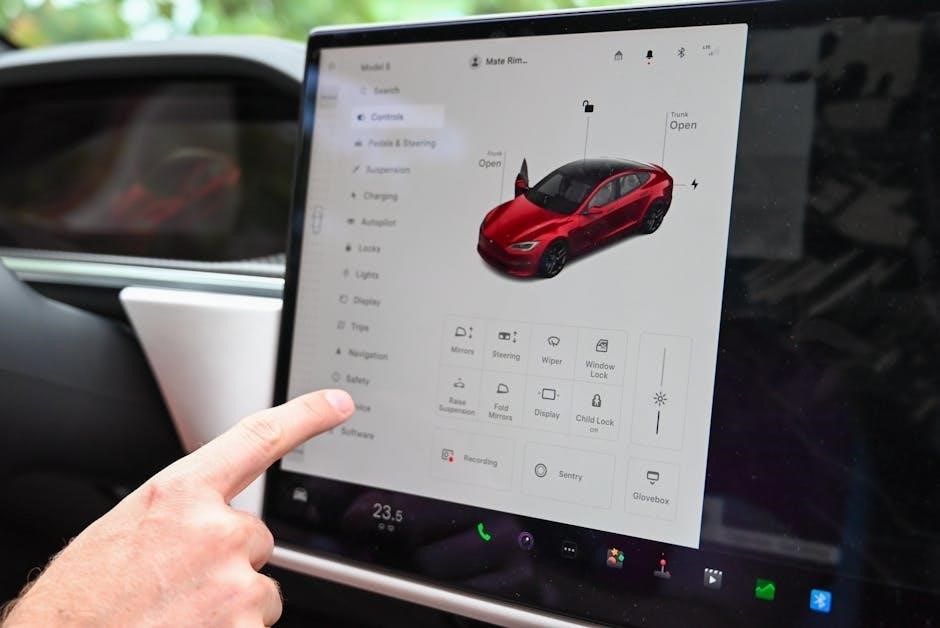
The main screen serves as the central hub for your Android 12 car stereo, detailed within the user manual. Typically, it displays frequently used apps, media controls, and quick access settings. Navigation is primarily touch-based, allowing you to swipe between screens and tap icons to launch applications.
The manual will illustrate the location of key elements like the app drawer, volume controls, and the return button. Many systems allow customization of the home screen, enabling you to arrange icons and widgets to your preference. Pay attention to the manual’s explanation of gesture controls, which can simplify navigation while driving. Understanding the layout and available options will maximize your in-car entertainment experience.
Blank areas on the main screen can accommodate widgets and shortcuts, enhancing accessibility. Refer to the manual for specific instructions on adding and configuring these elements.
Customizing the Home Screen (Widgets & Shortcuts)
Personalizing your Android 12 car stereo’s home screen is straightforward, as explained in the user manual. Long-pressing on an empty space typically activates customization mode, allowing you to add widgets and shortcuts. Widgets display dynamic information, like weather or music playback controls, directly on the home screen.
Shortcuts provide quick access to specific apps or functions. The manual details how to select and position these elements. Ensure sufficient space is available before adding items; the system won’t allow overlapping. Experiment with different arrangements to find a layout that suits your driving needs. Remember to consult the manual for specific instructions related to your unit’s interface.
Customization enhances usability and provides a tailored in-car experience.
Status Bar and Notification Center
The status bar, located at the top of the screen, displays essential system information, as detailed in the user manual. This includes time, signal strength, battery level, and active connections like Bluetooth or Wi-Fi. Tapping the status bar often reveals a quick settings panel for frequently used functions.
The notification center, usually accessed by swiping down from the top, presents alerts for incoming calls, messages, app updates, and system notifications. The manual explains how to manage these notifications – dismissing them individually or clearing all at once. Understanding these features, as outlined in the user manual, ensures you stay informed while driving safely;
Regularly checking the notification center keeps you aware of important updates.
Connectivity Features
Android 12 car stereos offer versatile connectivity, as described in the user manual.
Bluetooth, Wi-Fi, and USB options enable audio streaming, internet access, and file management.
The manual details pairing procedures and troubleshooting for each connection type, ensuring seamless integration with your devices.
Bluetooth Pairing and Audio Streaming
Bluetooth connectivity is a core feature of Android 12 car stereos, detailed extensively in the user manual. To initiate pairing, navigate to the Bluetooth settings menu on your stereo. Ensure your mobile device is in discoverable mode. The manual provides step-by-step instructions for both initial pairing and subsequent connections.
Once paired, you can stream audio from your phone or other Bluetooth-enabled devices. The manual explains how to control playback directly from the stereo’s interface, including volume adjustment and track selection. Troubleshooting tips within the manual address common issues like connection failures or distorted audio. It also details how to manage paired devices, allowing you to add or remove connections as needed.
Furthermore, the user manual may outline support for Bluetooth profiles like A2DP for high-quality audio streaming and HFP for hands-free calling.
Wi-Fi Connection and Internet Access
Connecting your Android 12 car stereo to Wi-Fi unlocks a world of online features, as detailed in the user manual. Access the Wi-Fi settings menu on your stereo and scan for available networks. The manual guides you through selecting your network and entering the password, if required. A stable Wi-Fi connection enables access to online radio, streaming services, and software updates.
The user manual explains how to verify your internet connection and troubleshoot connectivity issues. It may also include information on configuring proxy settings or using a VPN. Remember that data usage applies when connected to Wi-Fi, so be mindful of your data plan if tethering from a mobile hotspot.
The manual will also detail how to manage saved networks for quick and easy reconnection.
USB Connectivity and File Management
Your Android 12 car stereo’s USB port facilitates various functions, as explained in the user manual. Connect a USB drive to play media files like music and videos. The manual details supported file formats and how to navigate the file system using the stereo’s interface.
You can also use USB for firmware updates, following the instructions in the manual carefully. Some stereos support connecting smartphones via USB for data transfer or mirroring. The user manual will outline compatible devices and connection modes.
The file management section of the manual will guide you through creating folders, copying files, and deleting unwanted content directly from the stereo.
Core Applications and Functionality
Android 12 car stereos offer core apps like music playback and phone integration, detailed in the user manual.
Navigation is often a separate purchase, while audio settings are customizable. Refer to the manual for specifics.
Navigation System (Separate Purchase)
Android 12 car stereos frequently require a separate navigation system purchase, as highlighted in the user manual. This allows users to select their preferred navigation application, tailoring the experience to their needs. Popular options include Google Maps, Waze, and others available through the Google Play Store.
The manual will detail how to install and configure the chosen navigation app, including setting up map downloads for offline use. Ensure compatibility with your device before purchasing. Connecting to the internet via Wi-Fi or a mobile hotspot is essential for real-time traffic updates and accurate positioning. The user manual provides guidance on establishing these connections.
Some systems may offer limited built-in navigation features, but a dedicated app generally provides a more robust and feature-rich experience. Always consult the manual for specific instructions and troubleshooting tips related to navigation.
Music Playback and Audio Settings
The Android 12 car stereo’s user manual details extensive music playback options. You can play music via Bluetooth, USB, or streaming services. The system supports various audio formats, ensuring compatibility with your music library. The manual explains how to connect devices and manage files.
Audio settings are customizable, allowing you to fine-tune the sound to your preference. The manual guides you through adjusting the equalizer, balance, and fader controls. Explore preset sound modes or create custom profiles. Understanding these settings enhances your listening experience.
The manual also covers audio output configuration, including connecting to external amplifiers or subwoofers. Proper configuration maximizes sound quality and ensures optimal performance.
Phone Integration (Calls & Messaging)
The Android 12 car stereo, as detailed in the user manual, offers seamless phone integration. Bluetooth connectivity enables hands-free calling and audio streaming. The manual explains the pairing process and managing connected devices. Access your phone’s contacts and call history directly through the stereo’s interface.
Messaging functionality allows you to receive and view text messages. The manual outlines how to configure notifications and respond to messages using voice commands or the touchscreen. Safety is paramount; utilize voice control while driving.
Refer to the manual for troubleshooting Bluetooth connection issues and optimizing phone integration for a safer and more connected driving experience.
Advanced Settings and Customization
Android 12 car stereos, per the user manual, offer extensive customization. Adjust display settings, sound equalizers, and system updates for a personalized experience.
Explore options for brightness, resolution, and audio output configurations, all detailed within the manual’s advanced settings section.
Display Settings (Brightness, Resolution)
Android 12 car stereos provide comprehensive display customization options, thoroughly explained in the user manual. Users can precisely adjust screen brightness to suit varying ambient light conditions, ensuring optimal visibility during both day and night driving. The manual details how to access these controls, typically found within the system’s settings menu.
Resolution settings allow for tailoring the visual clarity of the display. While many units offer a default optimal resolution, the manual may provide options to adjust this, potentially impacting performance. Experimenting with these settings can enhance the viewing experience for maps, videos, and other content.
Furthermore, the user manual often includes guidance on color calibration and display modes, allowing for a personalized visual aesthetic. Understanding these settings ensures a comfortable and visually appealing in-car entertainment experience.
Sound Equalizer and Audio Output Configuration
The Android 12 car stereo’s audio capabilities are extensively configurable, as detailed in the user manual; A built-in sound equalizer allows users to fine-tune audio frequencies, boosting bass, enhancing vocals, or creating a customized sound profile to match personal preferences. The manual illustrates how to access and adjust these equalizer bands.
Audio output configuration options enable users to optimize sound delivery based on their vehicle’s speaker system. Settings may include selecting pre-defined output modes (e.g., Rock, Pop, Classical) or manually adjusting channel levels and balance.
The user manual also explains how to configure external audio amplifiers or subwoofers, ensuring seamless integration and optimal sound quality. Proper configuration maximizes the stereo’s audio performance.
System Updates and Software Maintenance
Maintaining your Android 12 car stereo’s performance relies on regular system updates, as explained in the user manual. These updates deliver bug fixes, performance improvements, and new features, ensuring a smooth and secure user experience. The manual details how to check for and install available updates, typically via a Wi-Fi connection.
Software maintenance also includes managing installed applications. The user manual guides users through the process of installing, uninstalling, and updating apps from the Google Play Store. Regularly clearing app caches can also improve system responsiveness.
Following these maintenance steps, outlined in the manual, will prolong the life and optimize the functionality of your car stereo.

Troubleshooting Common Issues
Android 12 car stereo issues, like power failures or connectivity problems, are addressed in the user manual.
It provides step-by-step solutions for common problems, aiding quick resolution.
Refer to the manual for guidance on Bluetooth and Wi-Fi troubleshooting, ensuring optimal system performance and functionality.
Stereo Not Powering On
If your Android 12 car stereo fails to power on, consult the user manual for specific troubleshooting steps. Initially, verify the 12V power connection, ensuring both the positive and negative terminals are securely connected. Some vehicles may have a fuse dedicated to the stereo; check its condition and replace if necessary.
The manual details the wiring schematics, helping to confirm correct installation. A loose wire or incorrect polarity can prevent the unit from starting. Additionally, some stereos have a remote turn-on wire; ensure it’s properly connected to the vehicle’s ignition system. If the unit still doesn’t power on, a factory reset (as described in the manual) might resolve software glitches. Finally, contact customer support if these steps fail, providing the model number for assistance.
Bluetooth Connection Problems
Experiencing Bluetooth connection issues with your Android 12 car stereo? The user manual provides detailed pairing instructions. First, ensure Bluetooth is enabled on both the stereo and your mobile device. Verify the stereo is in pairing mode – typically indicated by a flashing Bluetooth icon. If pairing fails, delete any previous pairings on both devices and attempt the process again.
The manual also outlines troubleshooting steps for intermittent disconnections. Interference from other devices can sometimes disrupt the signal. Try moving your phone closer to the stereo. Check for software updates, as these often include Bluetooth stability improvements. If problems persist, a factory reset (refer to the manual) may resolve the issue.
Wi-Fi Connectivity Issues
Encountering difficulties connecting your Android 12 car stereo to Wi-Fi? Consult the user manual for specific network setup instructions. Ensure the stereo is within range of a strong Wi-Fi signal. Double-check the entered password for accuracy – case sensitivity matters! If the connection remains unstable, try restarting both the stereo and your Wi-Fi router.
The manual may suggest checking the stereo’s IP address settings. Occasionally, a static IP address can improve connectivity. Explore the settings menu for options related to Wi-Fi frequency bands (2.4GHz or 5GHz). Software updates, detailed in the manual, often address Wi-Fi performance issues. A factory reset should be considered as a last resort.

Safety Information and Precautions
Prioritize driving safety! The user manual emphasizes avoiding distractions while operating the Android 12 stereo. Maintain awareness of your surroundings at all times.
Ensure proper operation within the specified operating temperature range, as detailed in the manual, to prevent malfunctions.
Driving Safety Guidelines
Prioritize safe driving above all else. The Android 12 car stereo user manual strongly advises against operating the system while driving, as it can lead to dangerous distractions. Always pull over to a safe location before making adjustments or navigating complex menus.
Focus your attention on the road and surrounding traffic. Utilize voice control features whenever possible to minimize visual distractions. Familiarize yourself with the system’s basic functions before starting your journey.
Avoid prolonged interaction with the touchscreen, and be mindful of your surroundings. Remember that even brief distractions can have serious consequences. Adhering to these guidelines, as outlined in the manual, will help ensure a safe and enjoyable driving experience.
Operating Temperature and Environment
The Android 12 car stereo user manual specifies optimal operating temperatures to ensure reliable performance. Avoid exposing the unit to extreme heat or cold, as this can damage internal components. Generally, operation between 12°C and 50°C (54°F and 122°F) is recommended.
Do not leave the stereo in direct sunlight for extended periods, especially during hot weather. Excessive heat can cause the display to malfunction or the unit to shut down. Similarly, avoid prolonged exposure to freezing temperatures.
Protect the stereo from moisture and humidity. Avoid using it in excessively damp environments. Following these guidelines, detailed in the manual, will prolong the lifespan of your device.